
THE PLAY
A beautifully dressed and alluringly made up woman is in a state of shock following an event which took place the previous night, presumably in a Parisian night-club and its renowned multi-sexual nightlife, for which she had worn the designer dress.
The telephone rings and a conversation ensues in which the woman gradually loses her battle to retain her lover. The mundane object of the telephone, which appears to be the last life-line between the lovers, turns out to be the mechanism which cuts them off from each other, utterly and irrevocably. In the course of the conversation society’s conventions are laid bare, with the lover of five years succumbing to them and safely marrying, while the one left behind is crushed anew by their weight. As the dress, the wig and the make-up are gradually removed all that remains is the body and the face of a man who had been alive only behind the alluring and poetic enhancement. The one who cannot be false to his nature is being abandoned by the one who cannot accept what he is.
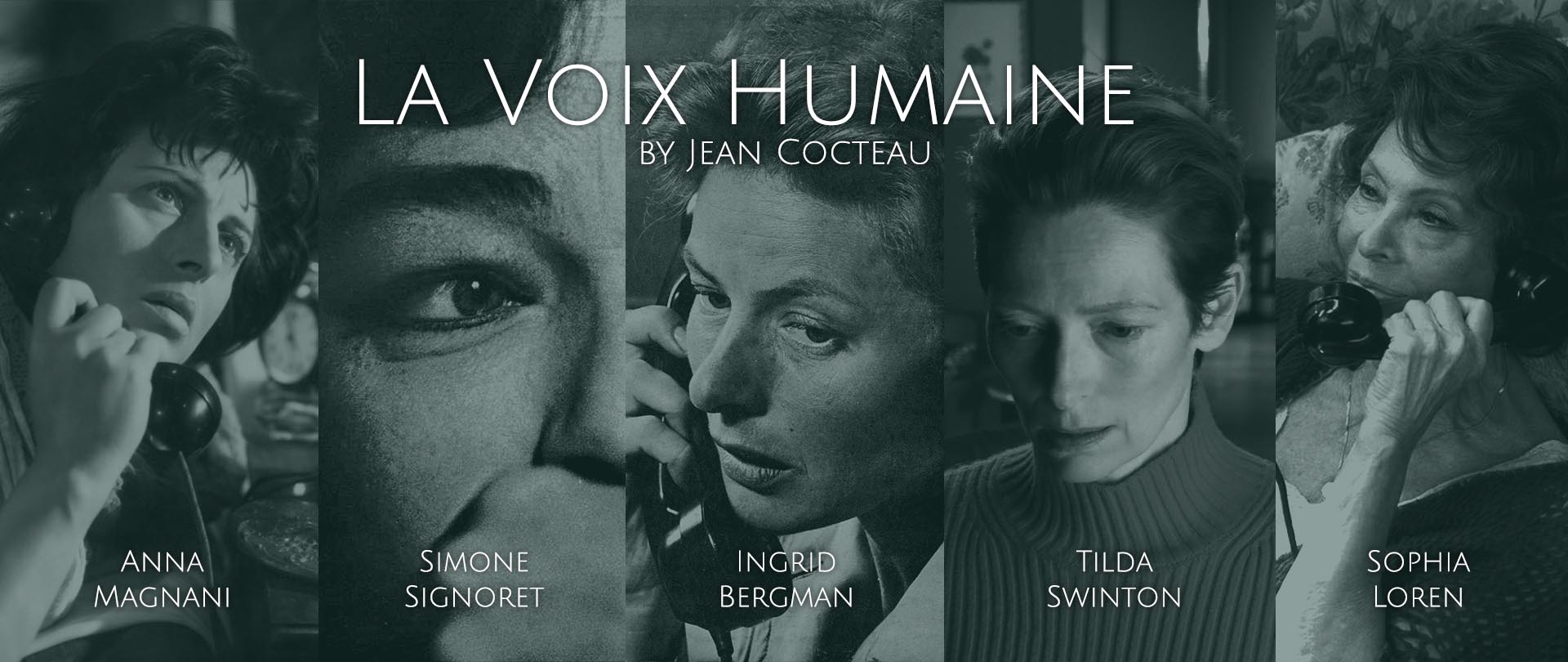
Written almost one hundred years ago, The Human Voice was guaranteed immediate commercial success as a challenging vehicle for leading actresses. This challenge was taken up over the decades by international stars of the calibre of Anna Magnani, Simone Signoret and Ingrid Bergman on the stage and TV, and recently by Tilda Swinton in the film by director Pedro Almodóvar. It resonates most poignantly when stripped of its conventional mask and reveals in the protagonist a frequenter of the notorious establishments of 1920s Paris such as Le Monocle and Clair de Lune where, to the soothing sounds of lyrical French chançons or the raucous new-found rhythms of black culture those seen by society as 'out of norm' could embrace their lovers and, with them, their dreams, their true nature, their personal aspirations and self-created myths.
Technology has forced many into a lonely life, fulfilment found in games and fantasies. So said Jean Cocteau, "Man seeks to escape himself in myth, and does so by any means at his disposal. Drugs, alcohol, or lies. Unable to withdraw into himself, he disguises himself."
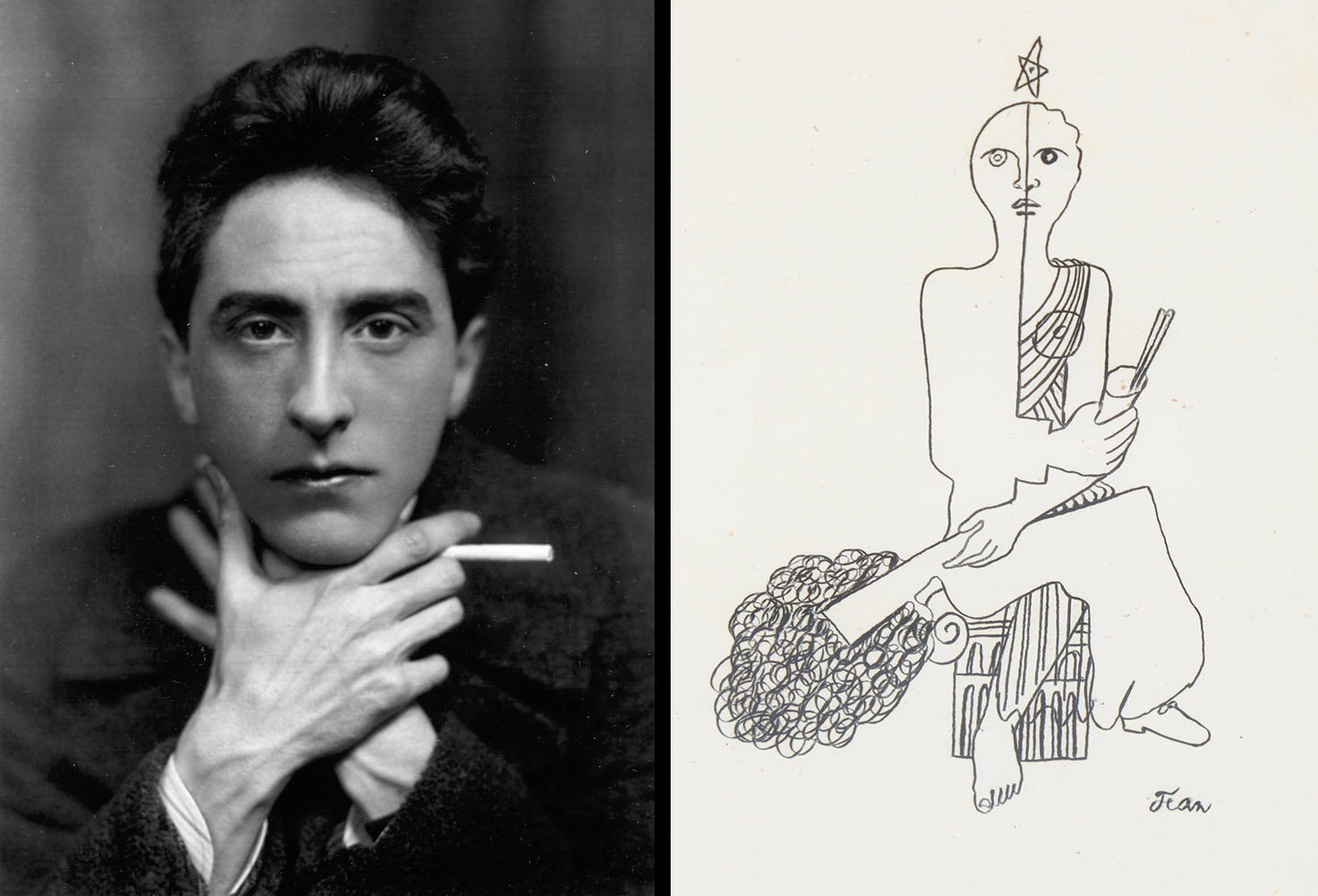
A scintillating legend of French cultural life and personal friend to Pablo Picasso, Igor Stravinsky, Man Ray, Lee Miller and queer creators Marcel Proust and Max Jacob, Jean Cocteau was openly self-declared homosexual and his work as queer film-maker, critic, writer, librettist, highly individual illustrator and painter attested to it.
Why this play
With outstanding new theatre artist Elliot Pritchard starring as The Woman, it is the first time in the century since it was written that this world-famous piece will return to the queer world which inspired it in the first place. The Human Voice leads us down the steep descent into emotional defeat and loneliness, the destiny of many who feel outside of society, a feeling that we all, intermittently, share universally. The Human Voice is a play that takes a stand against bigotry at a time when headlines declare that, "the liberal era is over." It is a powerful call for tolerance and compassion in our challenging decade post Covid 19, post Brexit as right-wing politics gather momentum in Europe & the world and upward of 110,000 people march through London in support of the extreme Unite the Kingdom movement.